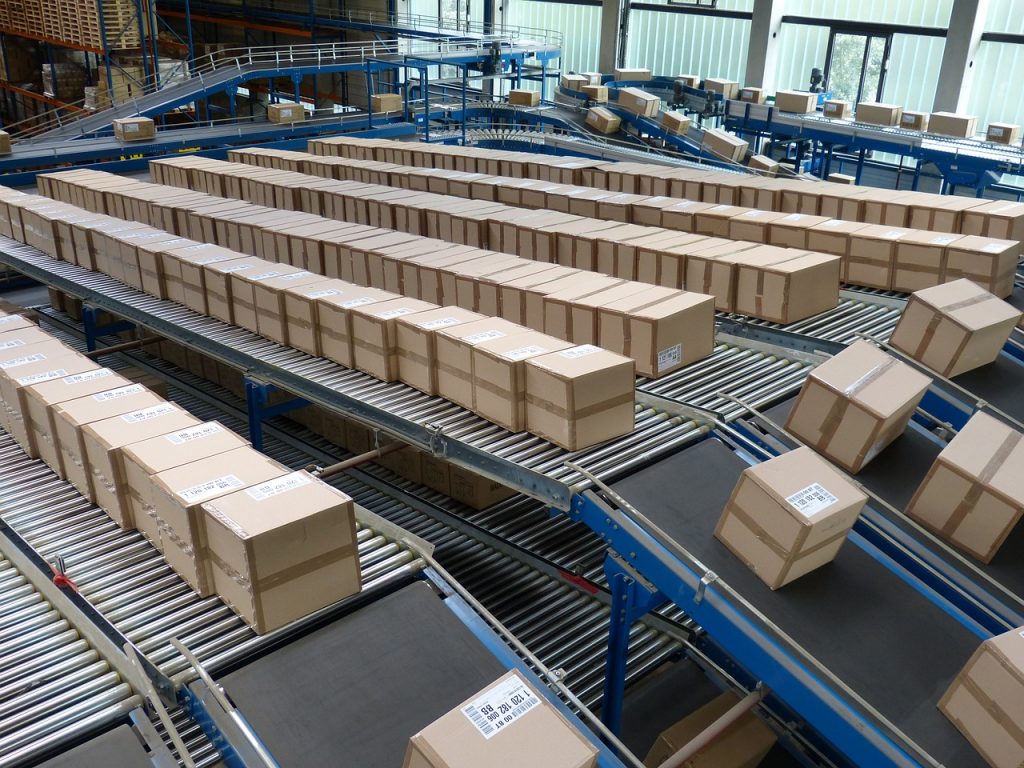
<p>In order to be competitive, companies make ordering rules more and more liberal. This applies not only to <strong>B2C</strong> but also to <strong>B2B</strong>. Of course, B2C is more affected by this through <strong>e-commerce</strong> and <strong>omnichannel</strong>, but we see the trend in all businesses. As you understand, it is impossible to run cost-effective logistics while allowing ordering 24/7 without requiring a minimum order value. This means more labor-intensive activities but with no guarantees that sales will increase at the same rate.</p>
<p>This is the main driver for increased interest in <strong>warehouse automation</strong> and innovation in not only automation but also <strong>WMS</strong>. The speed of development in warehouse software has never been as fast as it is now. In the past, the requirement for a WMS was to keep order of items and balances in a warehouse. Today, the focus is on optimizing inputs and outflows with as little labor as possible. Many WMS suppliers also develop their own WCS with a ready interface to the largest automation suppliers to attract customers. Companies need to look at every option to keep the margins at the same rate as before but with increased service. This has been an ongoing trend for many years but accelerated with e-commerce.</p>
<p>Many B2B-only companies have no or few problems implementing automation. Some of them may have seasonal fluctuations in demand, but it is possible to handle without any major problems as they do not have to size the investments according to the peaks.</p>
<p>However, when it comes to B2C with e-commerce and omnichannel, the picture is different. Now we are talking about fluctuations of up to ten times an ordinary week during the peaks. There is no way you can make an acceptable ROI on an investment that can handle these peaks a couple of times a year. This is the great challenge for e-commerce and the main reason why many companies stay manual in warehouse operations. You are agile and can adapt to the demands at short notice. With an <strong>AI-powered WMS</strong>, you can make a big difference in, for example, slotting and picking optimization.</p>
<p>Modern labor-intensive warehouse logistics also create new business models for disruptive technology. For example, <strong>Robotics as a Service (RaaS)</strong>. This is a great solution for e-commerce companies that need to gear up to handle the workload because of Black Friday or Christmas. During times of high workload, they lease extra robots to handle the demand. This is a win-win because the vendor of robots can lease out the products repeatedly instead of selling them once.</p>
<p>I am sure we have only seen the beginning of warehouse innovation. I’m excited to follow what the future will bring in warehouse software and automation.</p>
<p> ;</p>

Increased customer demands, main driver for investments in warehouse automation