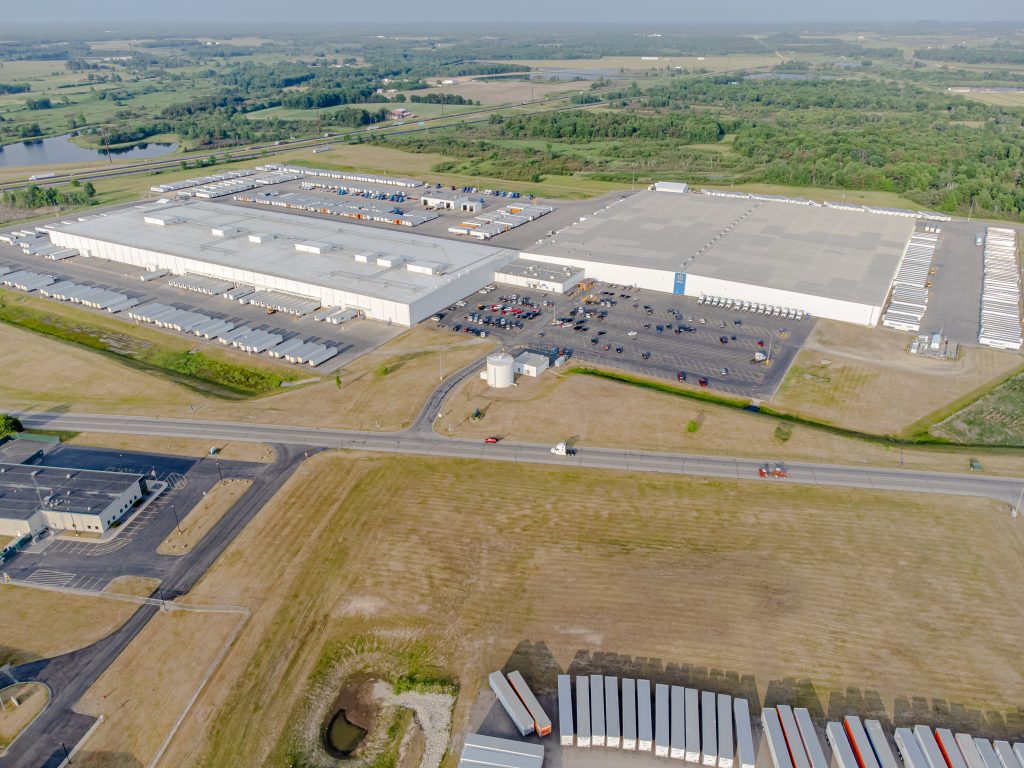
<p><strong>Key Considerations for Establishing a New Logistics Facility</strong></p>
<p>When a company decides to establish a new logistics facility, various critical factors must be examined to ensure the facility supports operational efficiency and aligns with strategic goals. Here are the primary considerations:</p>
<h3>Location</h3>
<p>The location of a logistics facility is paramount. Proximity to key markets, suppliers, and major transportation hubs such as airports, seaports, and highways can significantly reduce transportation costs and delivery times.</p>
<h3>Real Estate Options and Costs</h3>
<p>Evaluating potential sites involves assessing the availability, cost, and suitability of properties. Companies must balance cost considerations with the need for a facility that meets their operational requirements.</p>
<h3>Labor Availability</h3>
<p>The availability of a skilled and reliable workforce is essential. Companies should consider the local labor market to ensure there are enough workers with the necessary skills to support warehouse operations.</p>
<h3>Infrastructure</h3>
<p>Quality infrastructure is vital for efficient logistics operations. This includes well-maintained roads, reliable utilities, and other essential services that support day-to-day activities.</p>
<h3>Local Laws and Regulations</h3>
<p>Understanding local zoning laws, environmental regulations, and other legal requirements helps avoid potential compliance issues and ensures smooth operations.</p>
<h3>Taxation Rates and Financial Incentives</h3>
<p>Different regions offer various tax breaks, grants, and financial incentives to attract businesses. Companies should explore these options to offset costs and improve profitability.</p>
<h3>Environmental Risks</h3>
<p>Identifying potential environmental hazards or risks, such as flooding or seismic activity, is important for site selection and facility design to mitigate risks.</p>
<h3>Technology and Automation Integration</h3>
<p>Planning for the integration of advanced technologies and automation systems can enhance efficiency and streamline operations, making the facility future-ready.</p>
<h3>Sustainability</h3>
<p>Embracing sustainable practices, such as energy-efficient designs, renewable energy sources, and sustainable materials, can reduce the environmental impact and align with corporate social responsibility goals.</p>
<h3>Cost Analysis and Budgeting</h3>
<p>Detailed cost analysis and budgeting are critical to ensure the project stays within financial constraints and delivers a strong return on investment.</p>
<h3>Supply Chain Resilience</h3>
<p>Designing the facility to withstand disruptions and enhance supply chain resilience is essential for maintaining operations during unexpected events.</p>
<h3>Workforce Planning and Training</h3>
<p>Investing in workforce planning and training programs ensures that employees are well-prepared to operate advanced technologies and adhere to best practices in logistics.</p>
<h3>Customer Locations</h3>
<p>Proximity to key customers enables faster delivery times, improved service levels, and increased customer satisfaction, making it a key consideration.</p>
<p>By thoroughly evaluating these factors, companies can make informed decisions when selecting or constructing a new logistics facility. This comprehensive approach ensures the facility not only meets current operational needs but also supports future growth and development.</p>

Key considerations for a new logistics facility