


<h3>Potential Challenges</h3>
<p><strong>Investment Costs</strong></p>
<ul>
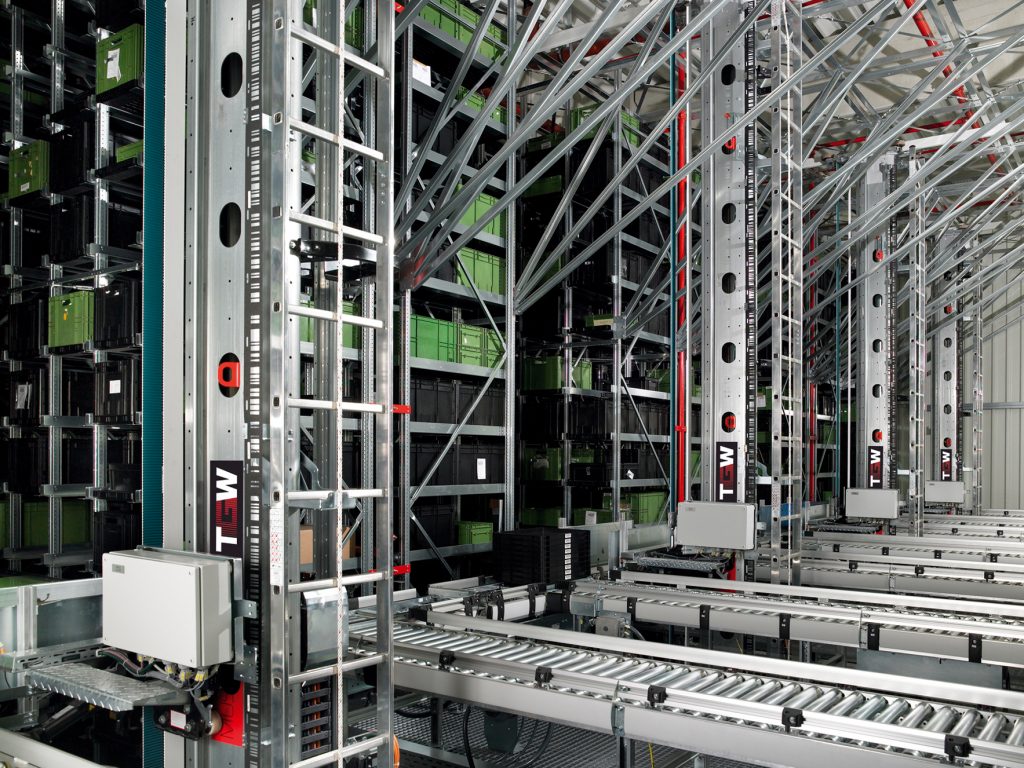
<li><strong>High Capital Expenditure</strong>: Implementing warehouse automation requires a significant initial investment in hardware (robots, conveyors, AS/RS systems) and software (AI systems, WMS/WCS).</li>
<li><strong>Long ROI</strong>: Although automation can lead to significant cost savings and efficiency gains, the return on investment can be lengthy. It is important to conduct a thorough cost-benefit analysis to ensure the investment is justified. Sometimes, a competent WMS may suffice if volume efficiency is not the primary concern.</li>
<li><strong>Need for Customization</strong>: Many automation systems need to be tailored to specific needs, which can increase costs. This includes designing custom solutions and integrating them with existing infrastructure.</li>
</ul>
<p><strong>Integration Complexity</strong></p>
<ul>
<li><strong>Compatibility Issues</strong>: Integrating new automated systems with existing warehouse management systems (WMS) and enterprise resource planning (ERP) systems can be challenging. Ensuring seamless communication between old and new systems is crucial.</li>
<li><strong>Data Handling</strong>: Effective automation relies on accurate and high-quality data. Ensuring data quality and integrity across all systems is a complex task requiring careful planning and implementation.</li>
<li><strong>Process Design</strong>: Warehouse processes may need to be redesigned to adapt to automation. This can involve significant changes in workflows, layouts, and job functions.</li>
</ul>
<p><strong>Need for Qualified Personnel</strong></p>
<ul>
<li><strong>Training Requirements</strong>: Staff need training to operate and maintain new automated systems. This includes understanding how to troubleshoot issues, perform routine maintenance, and optimize system performance. Often, this requires hiring or training personnel with technical expertise in maintenance and problem-solving.</li>
<li><strong>Change Management</strong>: Introducing automation can cause anxiety and fear among employees regarding change. Effective change management strategies are essential to ensure smooth transitions and maintain engagement and curiosity for the new technology. Highlighting positive aspects such as improved ergonomics can help.</li>
<li><strong>Technical Expertise</strong>: Hiring or developing qualified personnel with expertise in robotics, AI, and system integration is essential. These specialists are critical for the successful implementation and ongoing management of automated systems.</li>
</ul>
<h3>Phased Implementation and Continuous Improvement</h3>
<p><strong>Pilot Programs</strong></p>
<ul>
<li><strong>Start Small</strong>: Begin with a small-scale pilot project to test the feasibility and effectiveness of automation in your warehouse. This allows for adjustments and improvements before full-scale implementation.</li>
<li><strong>Gradual Scaling</strong>: Gradually scale up automation based on the success of pilot programs. This reduces the risk of failures and allows for successive improvements.</li>
<li><strong>Flexibility</strong>: A phased implementation provides flexibility to adapt to unforeseen challenges from initial implementations. This ensures that automation solutions are tailored to your specific needs and conditions.</li>
</ul>
<p><strong>Continuous Improvement</strong></p>
<ul>
<li><strong>Monitoring and Evaluation</strong>: Continuously monitor the performance of automated systems to identify areas for improvement. Use data analysis to measure efficiency gains, cost savings, and other key performance indicators.</li>
<li><strong>Iterative Improvements</strong>: Implement iterative improvements based on performance data and feedback. This may involve software updates, process adjustments, or hardware upgrades.</li>
<li><strong>Employee Engagement</strong>: Involve employees in the continuous improvement process. Their insights and feedback can be invaluable for identifying issues and potential improvements.</li>
<li><strong>Staying Updated</strong>: Keep up to date with advancements in automation technology and best practices. Regularly update your systems and processes to leverage new innovations and maintain a competitive edge. This is often overlooked, leading to a static or maintenance mode that quickly makes your automation solution outdated.</li>
</ul>
<p>By considering these key factors and implementing a phased scaling along with continuous improvement, you can maximize the benefits of warehouse automation while minimizing risks and disruptions.</p>
<div></div>

Key Considerations for Successful Warehouse Automation Implementation
Hella